Rolfing® for Sport, Yoga & Performance
Performance Enhancement
Be Better at What You Do
A body that moves freely is capable of more.
Training, repetitive activity, old injuries, and years of ordinary use can leave fascia shortened, adhered, and less adaptable. Rolfing® works directly with those structural restrictions so strength, range of motion, timing, and skill have more freedom to express themselves.
Performance depends upon timing, range, balance, and the freedom to move through the whole sequence.
How Rolfing® Unlocks Performance
Strength Requires Length, Range, and Freedom
Muscular performance depends on force, range, timing, coordination, and freedom through the full movement. The muscle also needs enough length and freedom to move through the range required by the task.
Repeated contractions and repetitive training can leave muscle fibers and their surrounding fascia held in shortened relationships. When part of that range is already lost before the movement begins, the body has less motion available and may compensate elsewhere.
Rolfing® works to release these fascial restrictions and restore length and glide through the surrounding tissues. The goal is to make more of the body available for the movement, with usable range, adaptability, and control.
Greater freedom of movement gives strength and skill more room to express themselves.
Rolfing® Structural Integration
Rolfing® in Sports and Performance
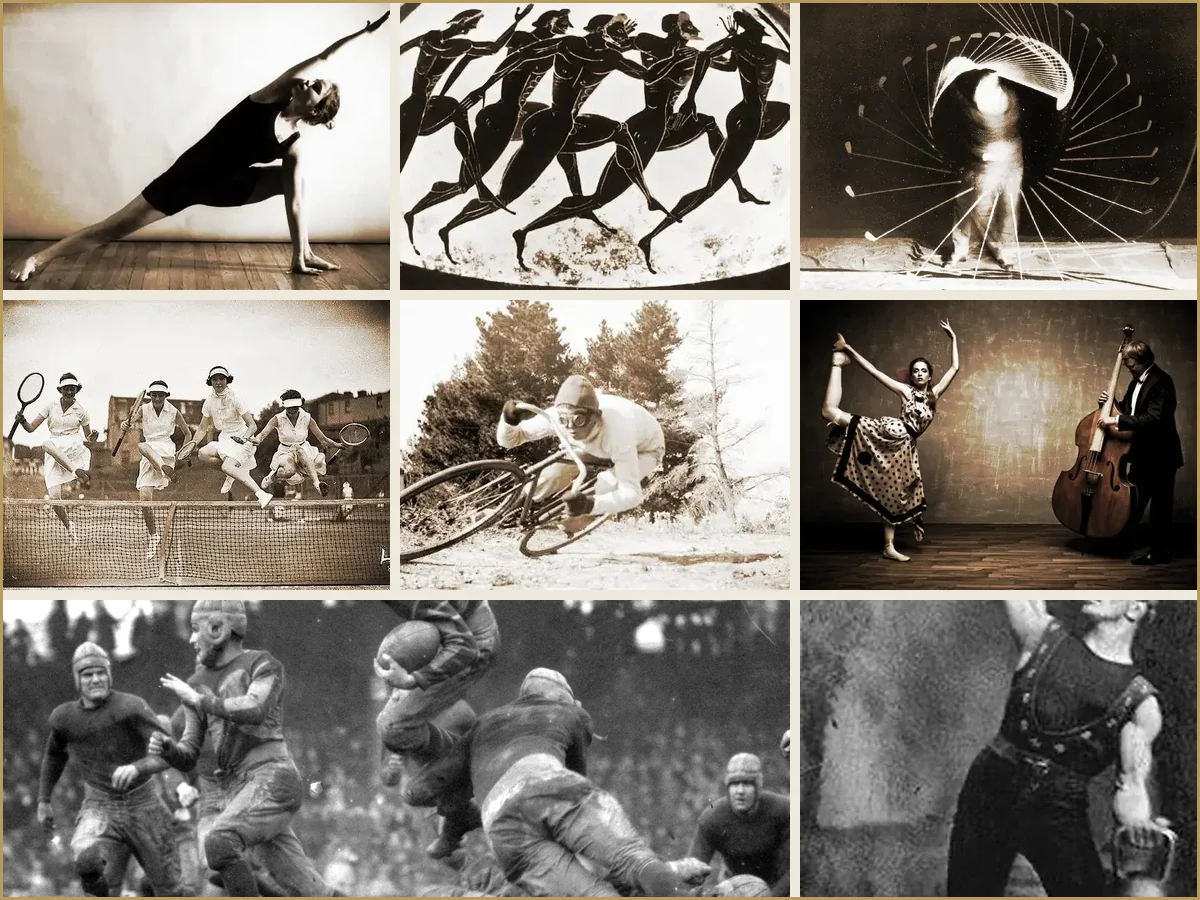
Different Activities, Different Structural Demands
The structural problem changes with the activity. Rolfing® can be directed toward the movement patterns, repetitive stresses, and restrictions most relevant to what you do.
Flexibility & Embodiment
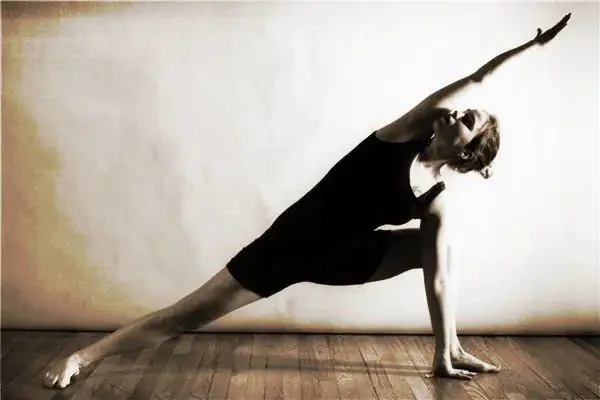
Yoga
Even experienced yoga teachers and students develop areas that remain stubbornly restricted. Rolfing® can release fascial limitations that resist ordinary stretching, improve structural balance, and make more range available without forcing the pose.
Endurance & Repetition
Running
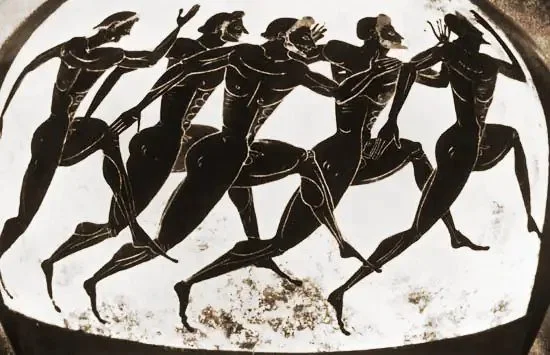
Running magnifies structural patterns over thousands of repeated steps. Restrictions through the feet, ankles, knees, hips, IT band, pelvis, and trunk can alter stride and loading. I have worked with endurance athletes and recreational runners alike to restore mobility around these patterns.
Rotation & Precision
Golf
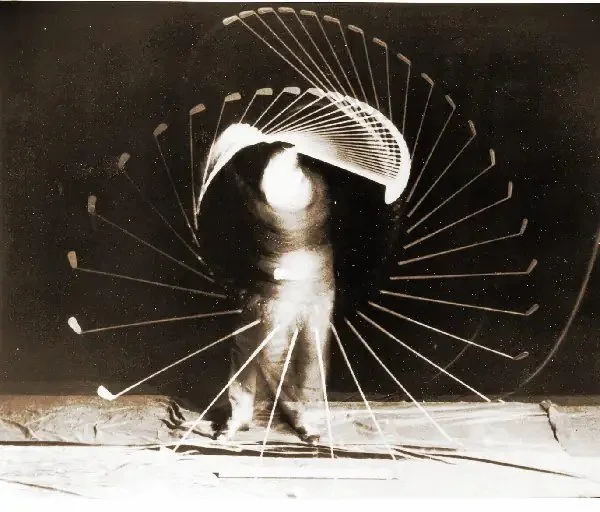
The golf swing depends on coordinated rotation through the hips, spine, shoulders, elbows, and wrists. Golfers often come in for elbow, neck, hip, knee, or low-back problems, and the larger benefit is frequently a freer, easier swing once the restrictions are released.
Agility & Direction Change
Tennis
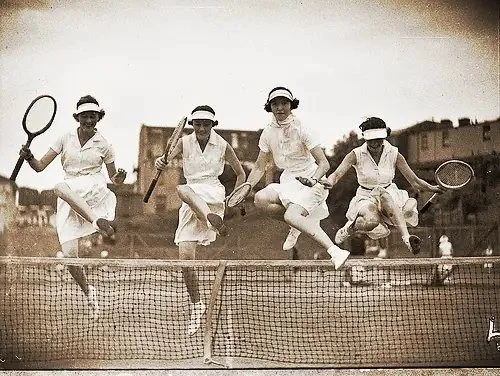
Tennis demands agility, rotation, reaching, acceleration, deceleration, and rapid changes of direction. Freedom through the hips, trunk, shoulder girdle, elbows, and wrists helps the whole sequence move with less unnecessary restriction.
Repetitive Position
Cycling
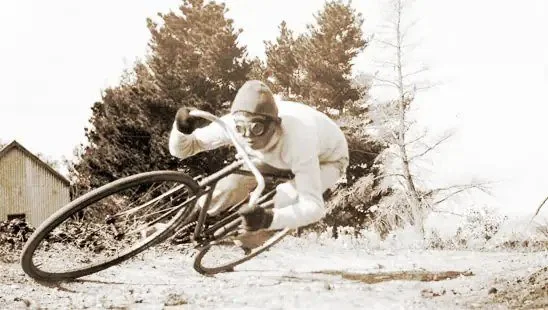
Hours spent in hip flexion can shorten the relationship through the iliopsoas and abdomen while the thoracic spine and neck compensate above. Rolfing® can restore extension, hip freedom, and a better balance between the front and back of the body.
Repetition & Expression
Performing Arts
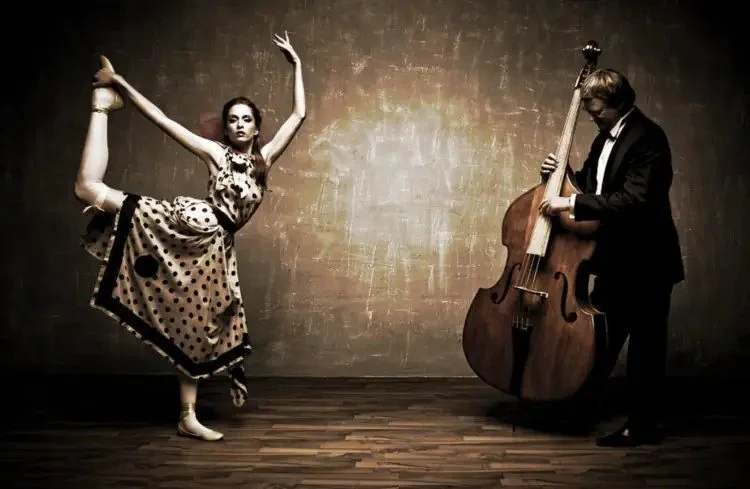
Dancers and musicians place extraordinary repetitive demands on the hands, arms, feet, ankles, shoulders, neck, ribs, and breath. The aim is to preserve the physical freedom required for technique and expression while reducing accumulated restriction.
Impact & Recovery
Contact Sports
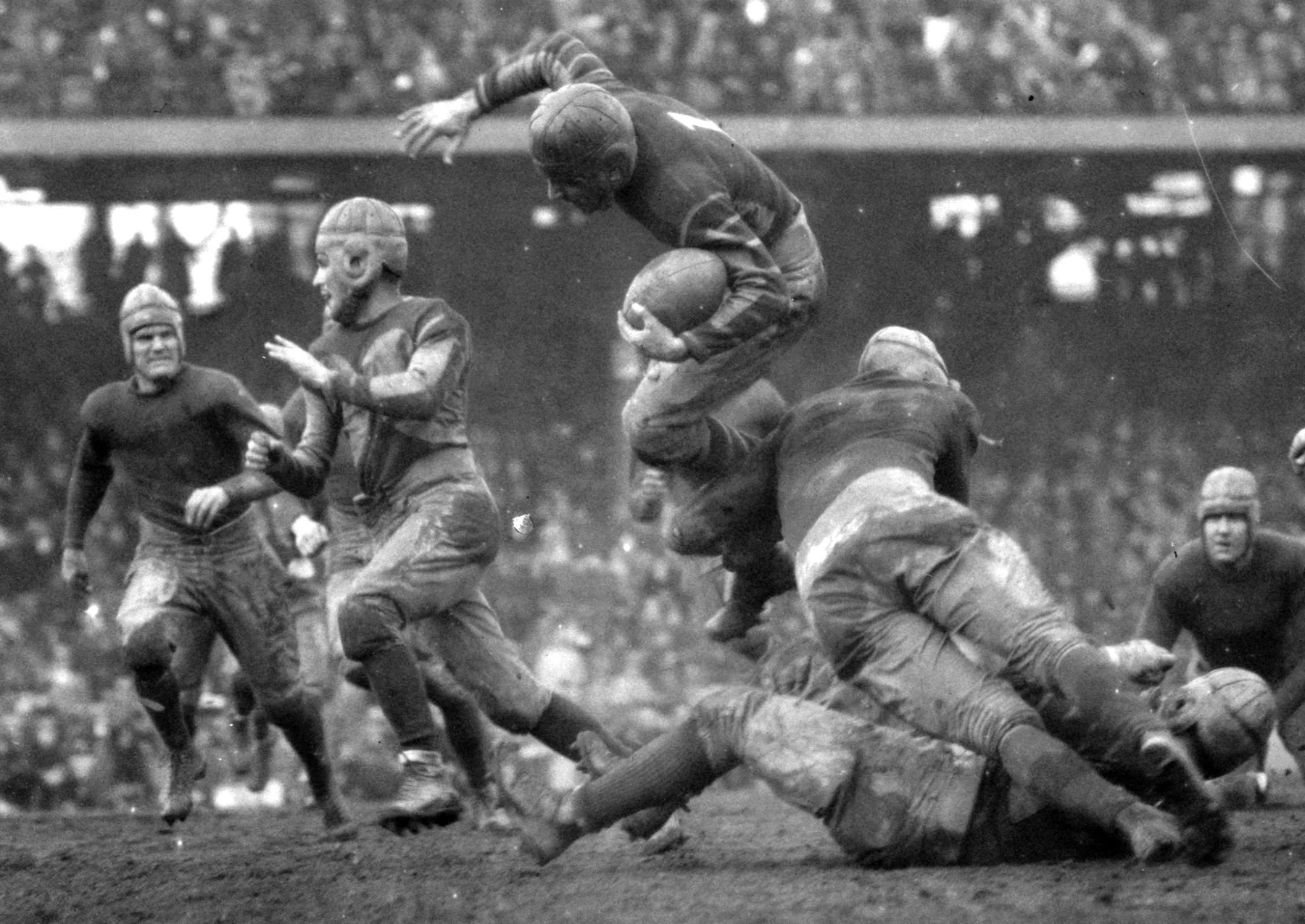
Impact sports leave a long record in the body. Old injuries and protective tension can remain long after the original event. Rolfing® can help restore mobility around those old patterns and reduce the compensations that have accumulated around them.
Performance-Focused Rolfing®
I Work With the Activity You Actually Do
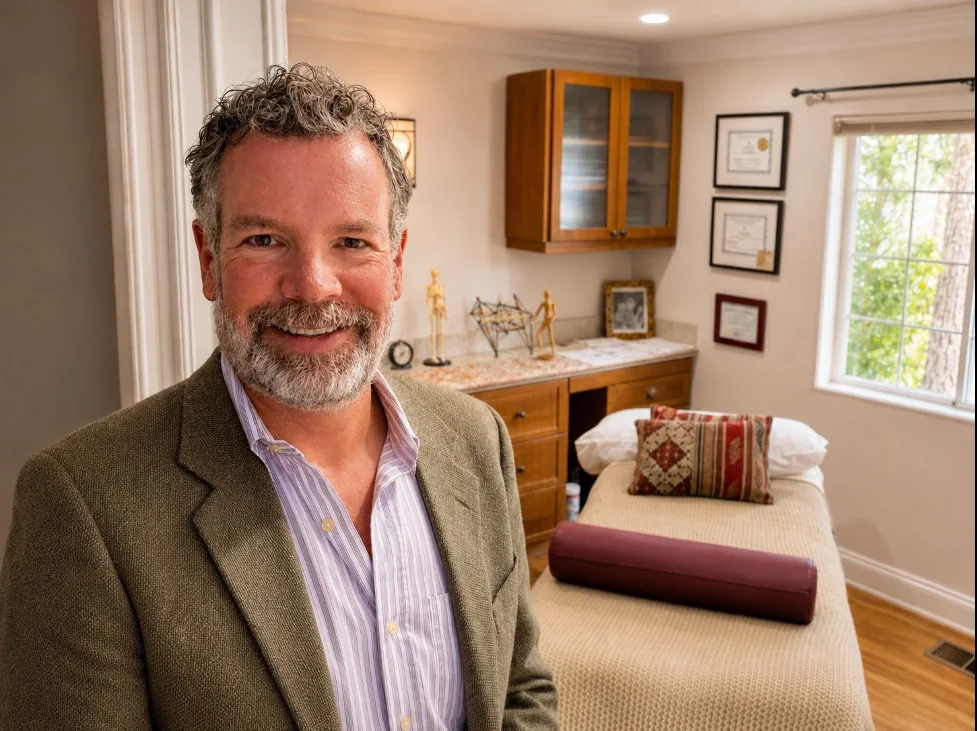
The session begins with the movement goal. I may have you stand, walk, rotate, reach, squat, or reproduce part of the activity so we can see where motion is limited and how the body is compensating.
Identify the Limitation
What movement, position, or repetitive demand is not working as well as it should?
Work the Relevant Structure
Release fascial and soft-tissue restrictions through the regions that influence that movement.
Reassess the Movement
Return to the activity and see what changed in range, ease, balance, or function.
Performance-Focused Rolfing®
Bring Me the Movement You Want to Improve
You may want a freer golf swing, more range in yoga, a smoother running stride, less restriction on the bicycle, easier movement on stage, or simply the ability to keep doing the things you value as you age. We begin with the movement itself and work backward into the structural restrictions limiting it.
That gives us a concrete place to begin.
Explore Whole-Body Structural Integration →
New Patient Rolfing®
90 minutes · $185 · In person