
Rolfing® Structural Integration
Pain & Injury Treatment
Working With Pain, Injury, Nerve Impingements, and Restricted Movement
Most people come to me when something hurts, something has been injured, or something no longer moves the way it should.
Rolfing® allows me to work directly with the fascia and the structural relationships surrounding the problem, releasing what is restricted and helping normal movement return.
Rolfing® is the deepest of all forms of bodywork, rooting out the underlying cause of pain and stiffness.
Low Back Pain & the Hip–Low Back Connection
The Back, Sacrum, and Hips Work as One Region
The lower back is one of the densest structural regions of the body, with strong layers of fascia and muscle supporting the trunk over the sacrum and pelvis. The quadratus lumborum, deep spinal muscles, sacrum, and hip rotators all participate in this relationship.
Low-back problems and hip restriction frequently travel together: many of the muscles of the back and hips meet around the pelvis. When the hips lose mobility, forces through the sacrum and lower back change. When the low back becomes rigid, the hips often compensate.
In Rolfing®, “freeing the sacrum” means restoring movement through the surrounding tissue relationships of the low back, hips, pelvis, and posterior core.
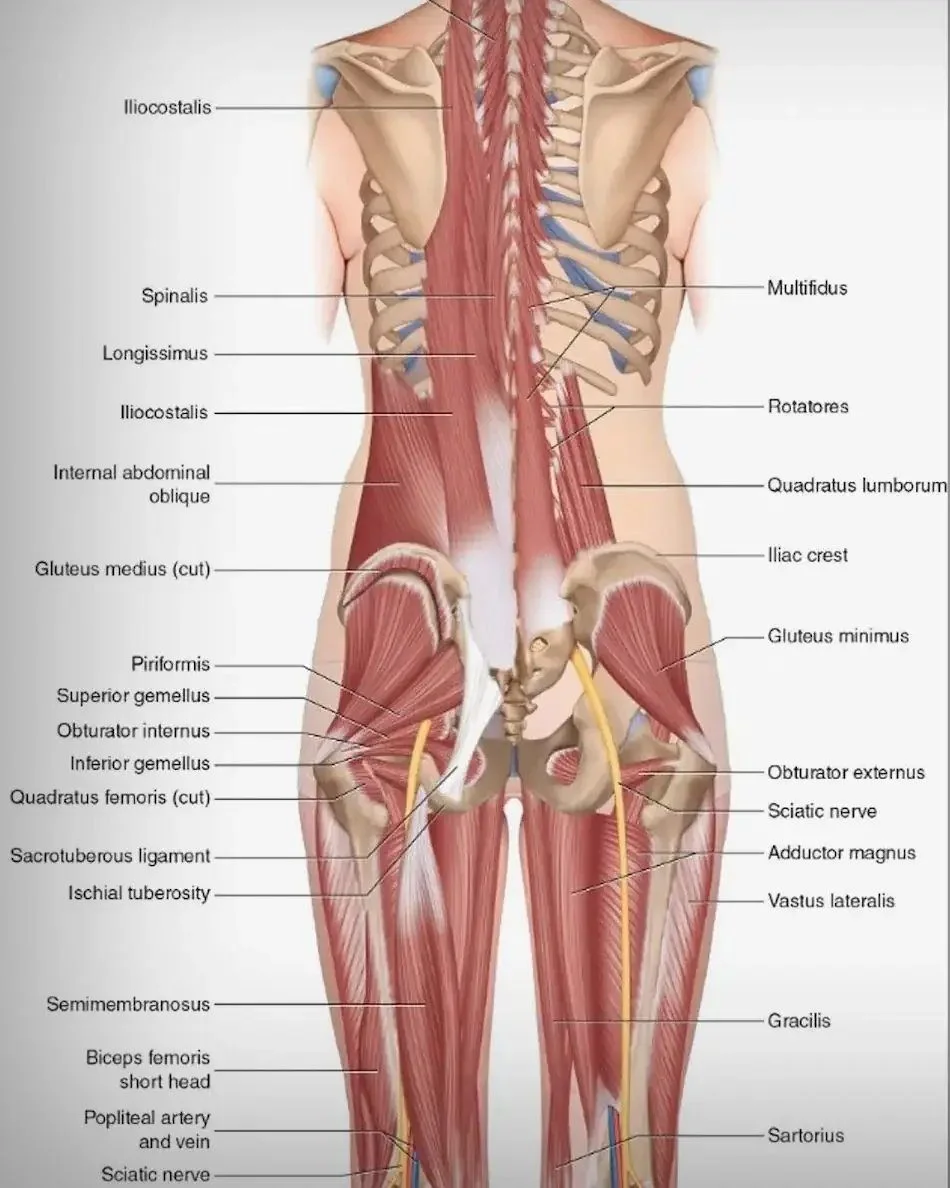
Low-back musculature and the deep lateral rotators of the hip.
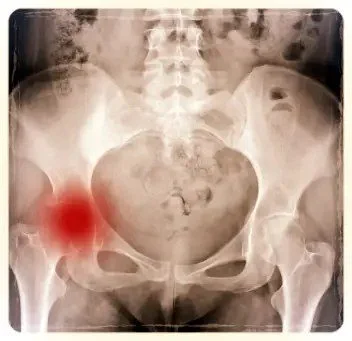
Hip imaging provides another view of the region where symptoms may be experienced.
Restore movement through the whole structural relationship.
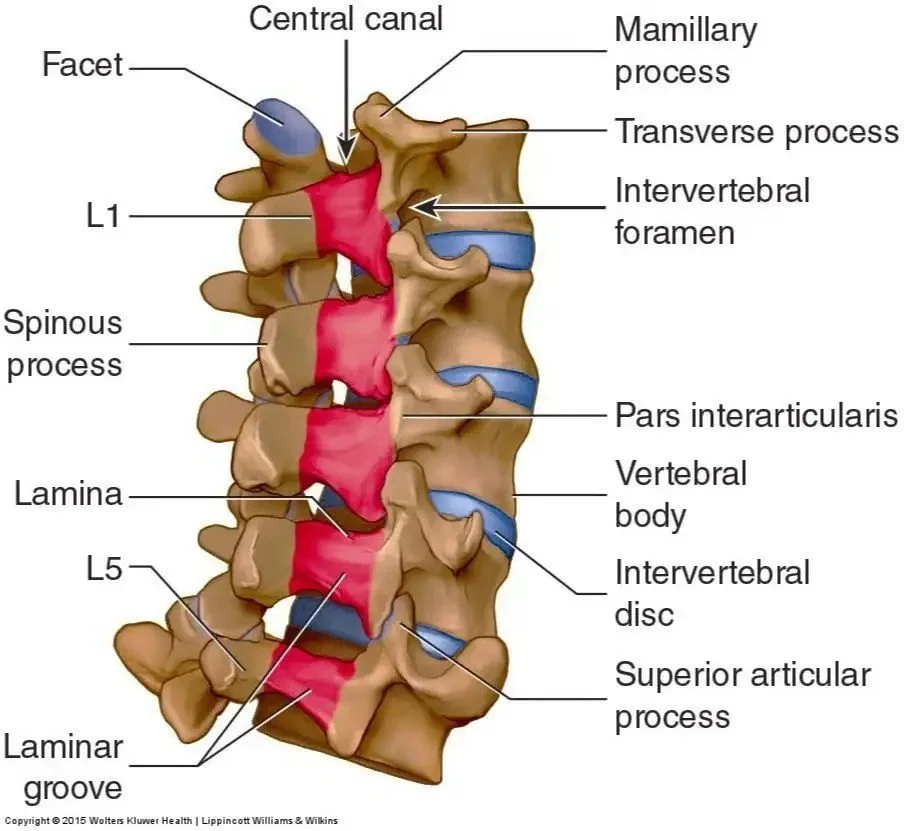
The laminar groove lies beside the vertebrae, beneath the more superficial tissues of the back and neck.
Neck Pain & Restricted Motion
The Laminar Groove and the Deep Fascia of the Neck
One reason neck pain and stiffness can persist is that the deeper tissues alongside the cervical spine become dense and restricted. Rolfers refer to the groove beside the vertebrae as the laminar groove.
Rolfing® can work directly into these deeper fascial and muscular layers of the neck. The work also includes the shoulders, upper ribs, and thoracic region — neck movement depends on the larger structure around it.
For someone who has difficulty turning the head, carries chronic neck tension, or never fully recovered movement after whiplash or another injury, this deeper structural approach can be particularly useful.
Nerve Entrapments
Sciatic Nerve, Thoracic Outlet, and Carpal Tunnel
Nerves travel through passages formed by muscles, fascia, ligaments, and bone. When surrounding soft tissues become shortened, dense, or compressed, the available space and movement around a nerve can change. Rolfing® can address the modifiable soft-tissue relationships in these regions.
Sciatic Nerve
Sciatic symptoms can involve the lumbar region, the pelvis, or the deep hip rotators around the piriformis. The structural assessment helps determine where restriction is most relevant.
Thoracic Outlet
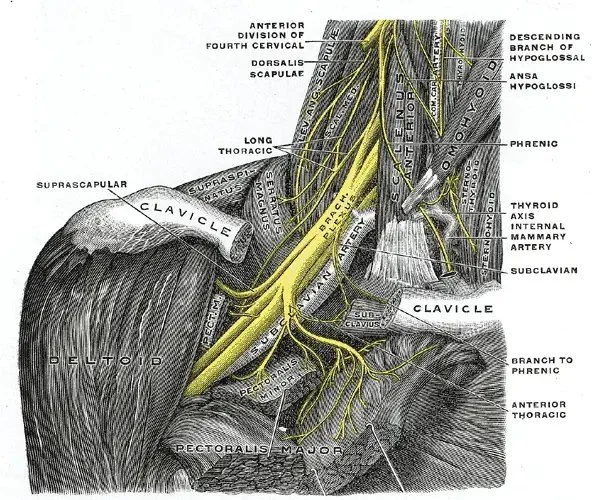
The brachial plexus passes through the neck and shoulder region where the scalenes, clavicle, and surrounding tissues influence available space for the nerves and vessels.
Carpal Tunnel
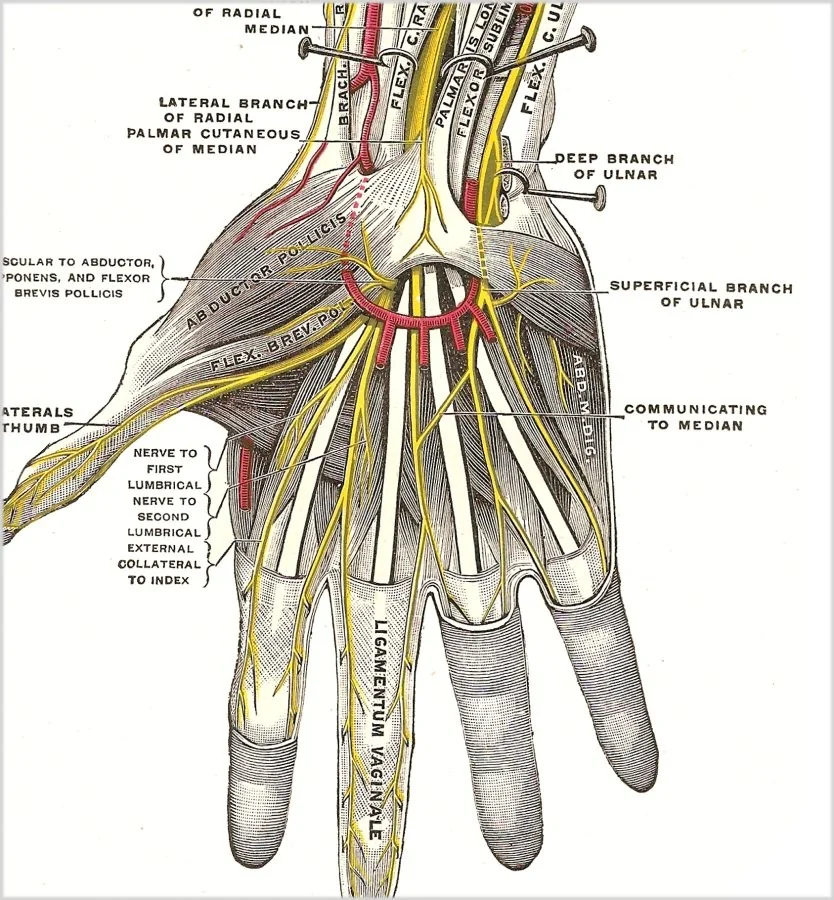
The median nerve passes through the wrist beneath the flexor retinaculum. Rolfing® can work with the fascia of the forearm, wrist, hand, shoulder, and neck as part of the larger pattern.
Before Surgery
Explore the Modifiable Structural Factors First
A significant part of my practice involves people who are considering surgery for a painful structural problem.
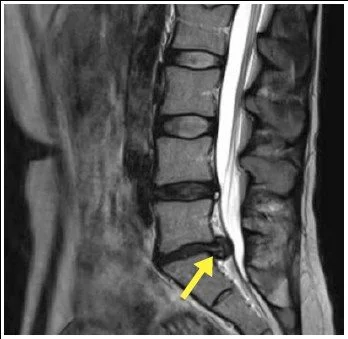
Imaging may show arthritis, degenerative change, a bulging disc, or another structural finding. Those findings matter. The surrounding fascia, muscular tension, compression, restricted movement, and whole-body mechanics can also influence symptoms and function.
Arthritis, degenerative discs, and conditions requiring medical care remain within the appropriate medical setting. Rolfing® addresses the soft-tissue and movement factors that can be changed, then lets us evaluate how the body responds.
For someone contemplating spinal, hip, knee, shoulder, or carpal-tunnel surgery, it can be worthwhile to explore those modifiable factors before making a final decision.
Medical diagnosis and decisions concerning surgery remain with your physician or surgeon.
What We Do in a Session
Assess. Work. Reassess.
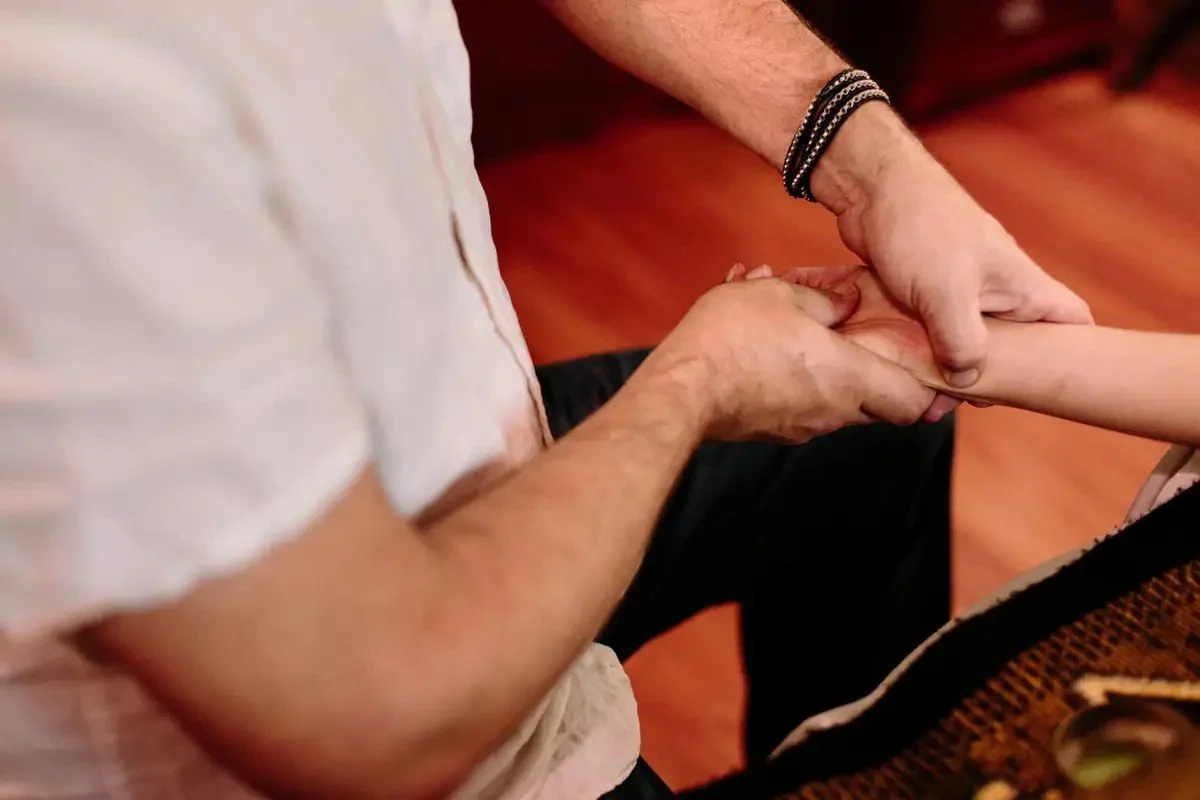
Rolfing® is an interactive process. I look at how you stand and move, identify the restrictions most relevant to the problem, work directly with the tissue, and then reassess what has changed.
Local tissue work is guided by a broader structural assessment. Wrist symptoms may lead us into the forearm, shoulder, ribs, or neck. Sciatic symptoms may lead us through the lumbar spine, sacrum, hips, and deep rotators. The treatment is specific to the tissue, and the work is continually reassessed against movement and function.
Assess the Pattern
History, posture, movement, range of motion, and the structures surrounding the complaint.
Work the Restricted Tissue
Specific hands-on work through fascia and related soft tissues at the depth required by the problem.
Restore Function
Reassess movement and continue until we have restored as much normal mobility, balance, and function as possible.
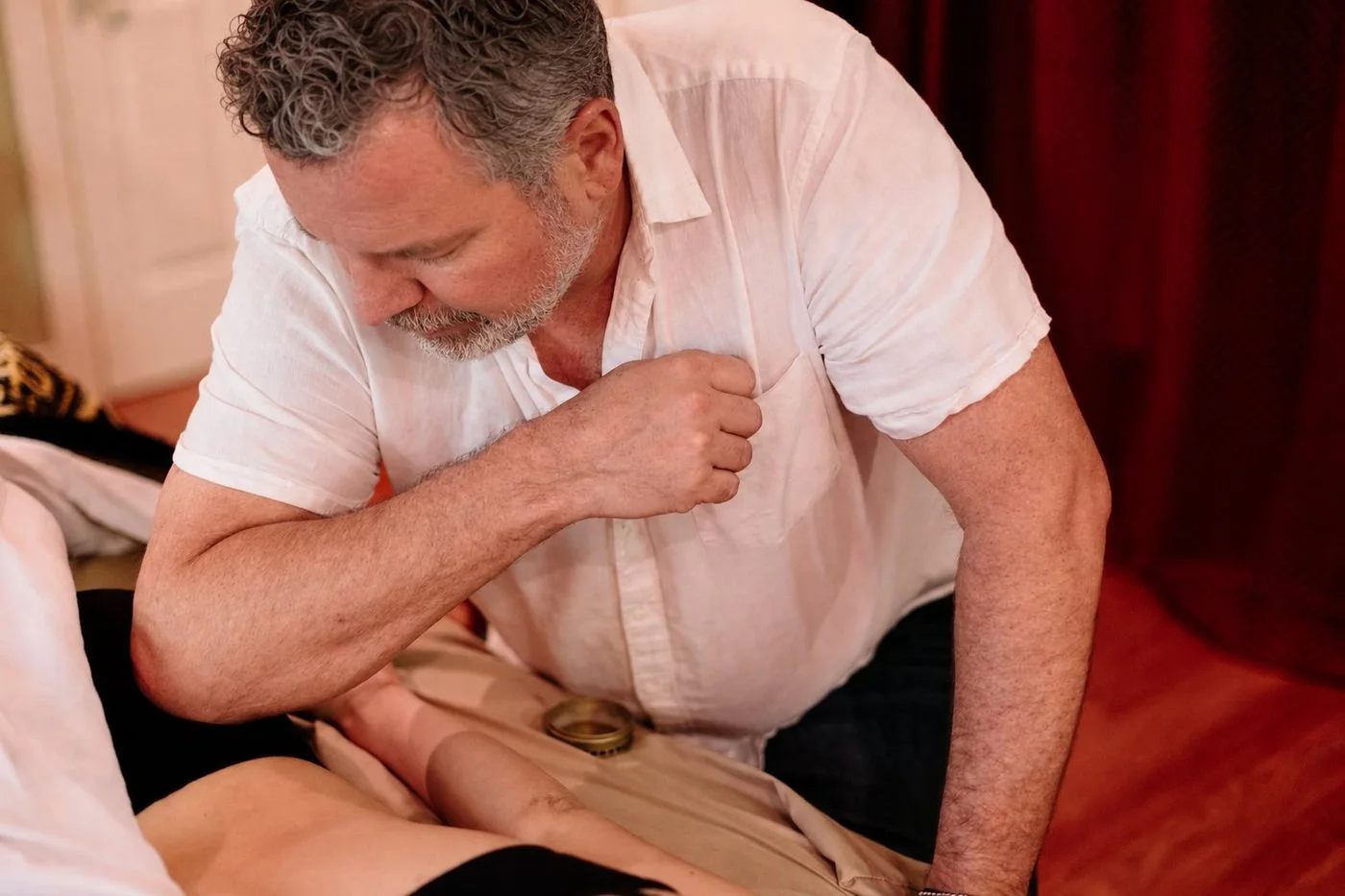
Look Beyond the Painful Spot
Pain Often Exists Within a Larger Structural Pattern
Longstanding chronic pain from low back conditions to hips, knees and neck often resolve very rapidly by freeing the connective tissue adhesions.
An injured ankle can alter the way a person walks. Restricted hips can change the forces passing through the lower back. Tension through the neck and shoulder can affect movement of the arm and contribute to irritation around nerves and other tissues.
The body compensates around restriction. Rolfing® lets us follow those relationships with our hands, work through the tissues that are not moving well, and then reassess what changes.
Once you see the power of Rolfing to correct specific areas you may decide to go through the whole body with the famous Rolfing Ten Series.
Common Problems
Areas I Regularly Work With
The list is broad: fascia and structural relationships are involved throughout the body. The appropriate approach depends upon the individual problem and how the surrounding structure is functioning.
Spine & Upper Body
- Neck pain and restricted motion
- Whiplash and old neck injuries
- Upper and mid-back pain
- Shoulder and rotator-cuff restriction
- Thoracic outlet symptoms
- Carpal tunnel and repetitive strain
Low Back & Lower Body
- Low-back pain and stiffness
- Sciatic symptoms
- Hip restriction and pain
- SI-joint and sacral restriction
- Knee and IT-band problems
- Ankle, foot, and plantar-fascia problems
Movement & Recovery
- Restricted range of motion
- Old and recent injuries
- Post-surgical stiffness after medical clearance
- Repetitive-use patterns
- Movement limitations affecting sport or yoga
- Whole-body structural imbalance
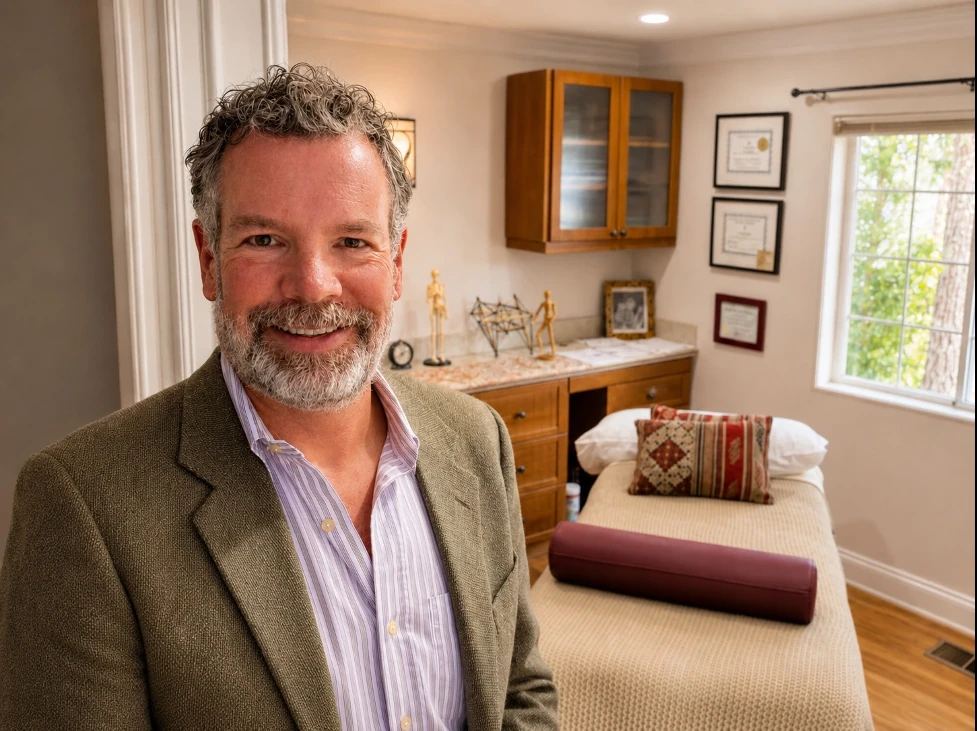
Focused Treatment or the Ten Series
Begin With Focused Treatment
Most people begin with a specific pain, injury, or restriction. We work on that first. Some later decide to undertake the Rolfing® Ten Series for broader whole-body Structural Integration.
New Patient Rolfing®
90 minutes · $185 · In person